
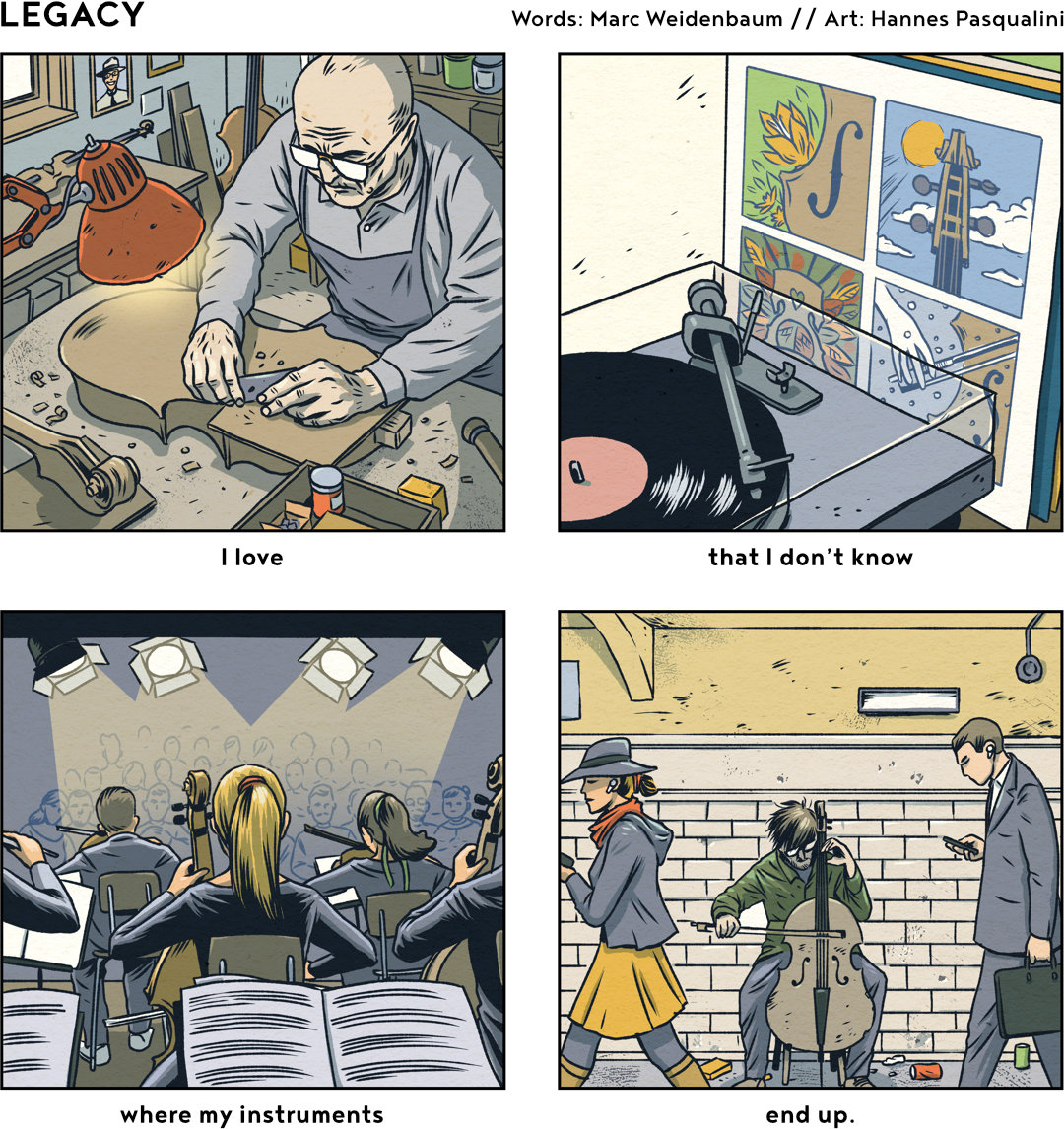
This is the 13th comic in the ongoing series I’m doing with Hannes Pasqualini. See a full index of Frame by Frame comics at disquiet.com/fxf. More from Hannes at horizontalpitch.com and papernoise.net.
News, essays, reviews, surveillance
This is the 13th comic in the ongoing series I’m doing with Hannes Pasqualini. See a full index of Frame by Frame comics at disquiet.com/fxf. More from Hannes at horizontalpitch.com and papernoise.net.
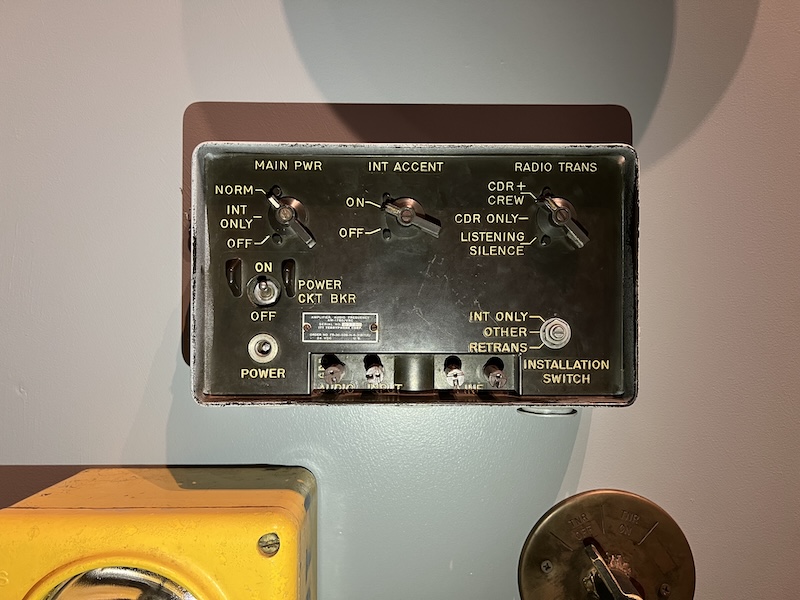
This is an amplifier made by the Terryphone Corporation, after that company’s acquisition by ITT, originally International Telephone & Telegraph. Photographed in the space exploration section of the Cradle of Aviation Museum, Garden City, Long Island, NY. I need to decipher some of this, notably the “listening silence” and “int accent” settings.
At the end of each week, I usually collate a lightly edited collection of recent comments I’ve made on social media, which I think of as my public scratch pad. I find knowing I’ll revisit my posts to be a positive and mellowing influence on my social media activity. I mostly hang out on Mastodon (at post.lurk.org/@disquiet), and I’m also trying out a few others. And I generally take weekends off social media.
I’m posting this halfway through a JetBlue flight home to San Francisco from New York, where I was visiting family.
▰ It’s a lesser-known Gen X superstition that if you happen to walk by an establishment that’s playing “Come On Eileen” before 10:30am, it’s gonna be a better than average day
▰ When I hear the robotic voice repeat “stop, look around” on the JFK AirTrain, I want a Kraftwerk version of Buffalo Springfield’s “For What It’s Worth (Stop, Hey What’s That Sound)”
▰ ”The thing about being in Art Blakey’s band was staying in it long enough to have one of your songs recorded.” —Frank Lacy (March 31, 2025, at Smalls in Manhattan, leading his septet during the 9:00pm show)
▰ Imagining that by the time I’m due for hearing aids, people will be muting words in everyday conversation like it’s possible to do currently on social media
▰ The quiet after the dishwasher after the rain is a particularly quiet quiet
▰ Not bad. It’s April 3 as I type this, and I’ve been in New York since March 27, and I haven’t heard Billy Joel, Bruce Springsteen, or Bon Jovi once. Let’s see if I can make it to Saturday, April 5, when I fly home.
▰ Finished reading two novels this week: Ali Smith’s excellent Autumn (2017), a beautifully fractured story about the emotional and intellectual connection between two people toward the start of life for one of them and toward the end of the other’s, and Joan Didion’s even more excellent Play It as It Lays (1970), a bleakly fractured story about the lack of connection between a number of people, and now I want to read any novel that dares to use a quote from the Didion book as its epigraph. Also read a short little graphic novel by Rich Tommaso, In the Garden of Earthly Delights (Floating World Comics, 2024), which I picked up at the excellent shop Escape Pod at the recommendation of its proprietor, Menachem Luchins. That’s on Long Island in the town of Huntington, which is also where I lived in the same house from when I was about two weeks old until I left for college. I’m a sucker for small comics, and comics written and drawn by the same person, and heist stories, and comics that include depictions of art, and this is all of those. I’m also pondering print formats for small comics, given Hannes Pasqualini and my ongoing Frame by Frame series, and this one was informative.
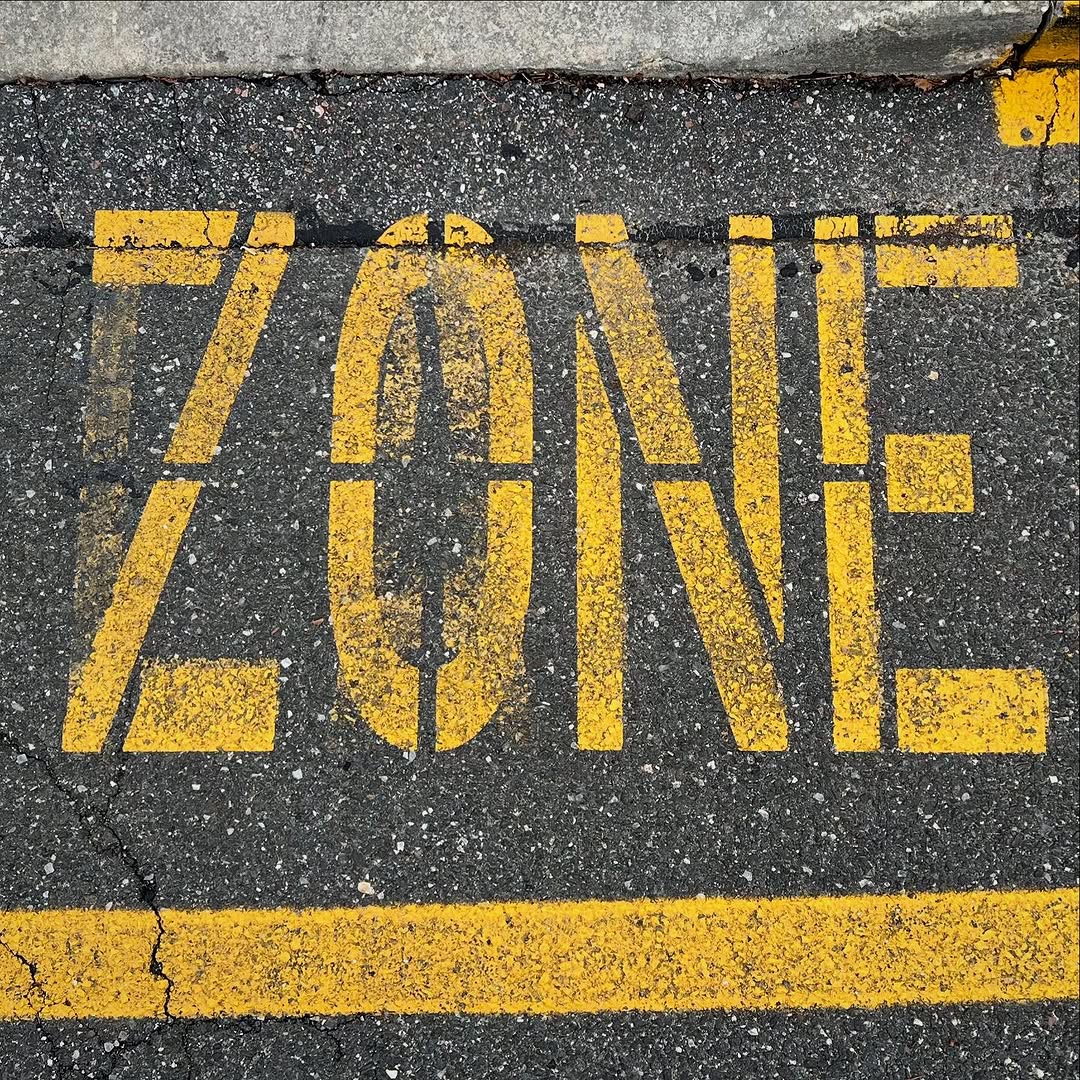
Apparently this zone had a previous life as a lane.
I’ve updated the part of this site’s FAQ (disquiet.com/faq) that relates to submitting music for review consideration. Here is the revised section, and I’ve italicized the two most important sentencesbelow:
2. Does Disquiet.com accept music for review consideration?
I want to hear your music, but I also want to hear other people’s music, and so the less time I spend doing correspondence, the more time I can spend listening. Please don’t expect me to reply to correspondence, not even with a quick confirmation of receipt. I don’t have the time to engage in back-and-forth emails about whether I plan on covering a given release. I receive an enormous amount of music from musicians and their record labels, and that doesn’t count all the time I spend seeking out music (and sound-related art). I can’t promise to write back — either in a timely manner, or at all. If you include the word “teiuqsid” (no quotation marks, and that’s “disquiet” backwards) in your email, I’m far more likely to find your email message, because your including it means you’ve read these instructions. Also, if you include me in bcc list containing many Bandcamp “yum” download codes to try, I may ignore it, because that’s time-consuming, and my experience has been that when I do try, all of them have been used already. What I can promise is the following: I will listen to as much music I receive as possible, without diminishing the attention I can pay to what I do elect to listen to, and I will consider it for coverage. I listen constantly, and when something really strikes me, that’s when I write about it — either here, or for other publications to which I contribute. My preference is that you email me a link to a zip archive containing lossless files, and also include a link to it streaming somewhere, so I can preview it before downloading. If you feel the need to send me a CD (or vinyl copy, or some other physical format), you can email me (visit this site’s contact page) to get my address in San Francisco, where I live — though, again, there’s only a small likelihood I will reply. Please don’t send audio files as attachments: they clog up my email, and I immediately delete them. And don’t pitch me your music via social media, as I’ll just direct you to this page.