Seems like a cry for help. In any case, have a good weekend.
News, essays, reviews, surveillance

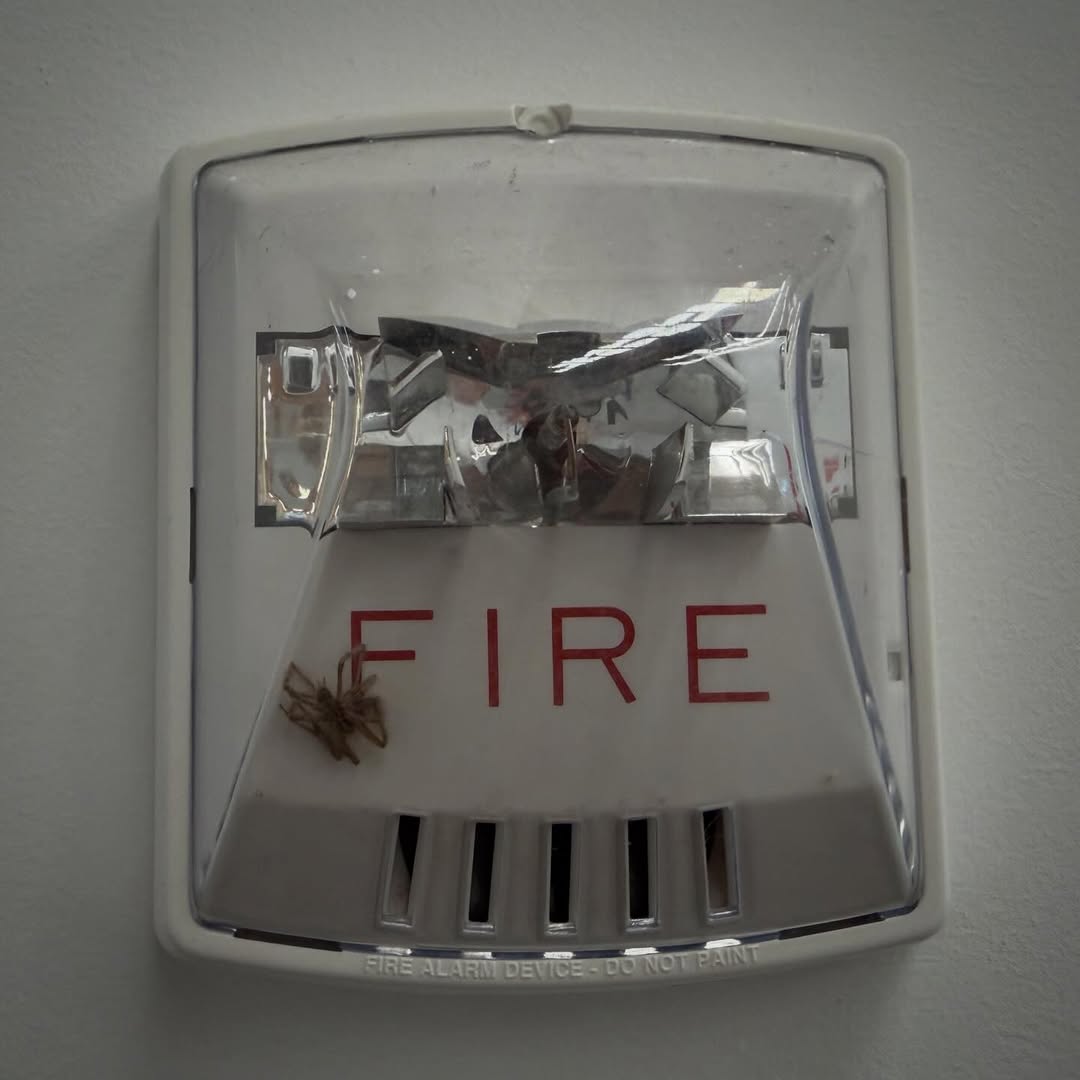
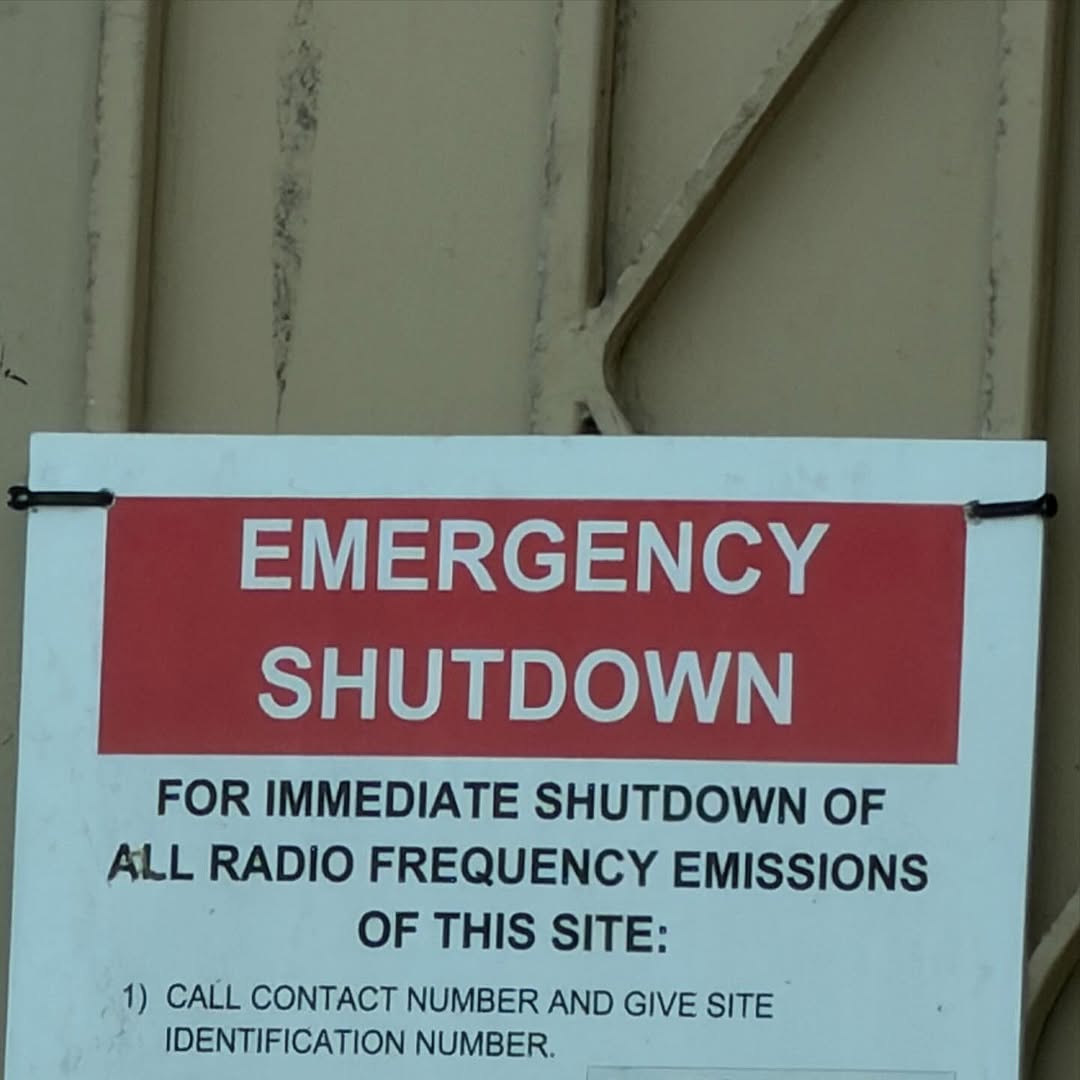
Seems like a cry for help. In any case, have a good weekend.

No matter how many years in, you still find yourself bending over the console to recollect which stereo system cables connect to which devices, and doing so generally involves an upside-down photograph, more likely two, as the first will be out of focus.

Today in everyday cyberpunk reality: exposed ethernet cable connectors suggesting themselves as symbols of civilian surveillance pushback — both for the disabled device, and for the implied privacy of wired communication. In my imagination, the shape somehow begins to map to the “house” sigil of the band Negativland, and to the twin snake heads of Christopher Gadsden’s “Don’t Tread on Me” and Benjamin Franklin’s “Join, or Die.” And no, not condoning vandalism. Just pondering the potent emblems incorporated in otherwise mundane electronics.

Souled American wasn’t the first band I interviewed, as I did a lot of that in college. And they weren’t the first musicians I interviewed professionally. Those were rap metal group 24/7 Spyz and cellist Hank Roberts. But Souled American was, in 1989, my third professional interview gig. I fell instantly for their debut, and to this day I will occasionally just erupt into “Soldier’s Joy” based on their cover. More often, the deep swampy bass riffs of band co-founder Joe Adducci will run through my head. Now, 30 years after their last album, 1996’s Notes Campfire, they are returning with a new one, titled Sanctions — and come mid-May they’re playing just a few blocks from where I live (at the 4 Star Theater). It looks like “they” is Adducci and Chris Grigoroff. Not present, unfortunately: the great Scott Tuma, whose music has largely drifted away from “songs” (notably, for a spell, as part of Boxhead Ensemble), much as my own listening preferences have. I can’t wait for this concert.

From payola to P2P sharing to digital-era royalties to AI fakery, there’s never been a moment in recorded music without its period-specific business and distribution brouhaha, and varying degrees of resulting professional and public concern. I was reminded of this particular ancient rallying cry when I saw the sticker on an old LP, dating from the early 1990s. If the phrase isn’t familiar, “When You Play It, Say It!” was a push by record labels the RIAA (Recording Industry Association of America), beginning in the late 1980s, for radio DJs to always identify, on air, the songs that they have been playing. The plays of course were tracked for payments to songwriters, but the “Say It!” matter was an admonition meant to encourage record sales by keeping audiences informed about what precisely they were listening to. This sticker is an elegant bit of semi-astroturf (if by no means wrongheaded) propaganda from a less digitized if no more civilized age.