
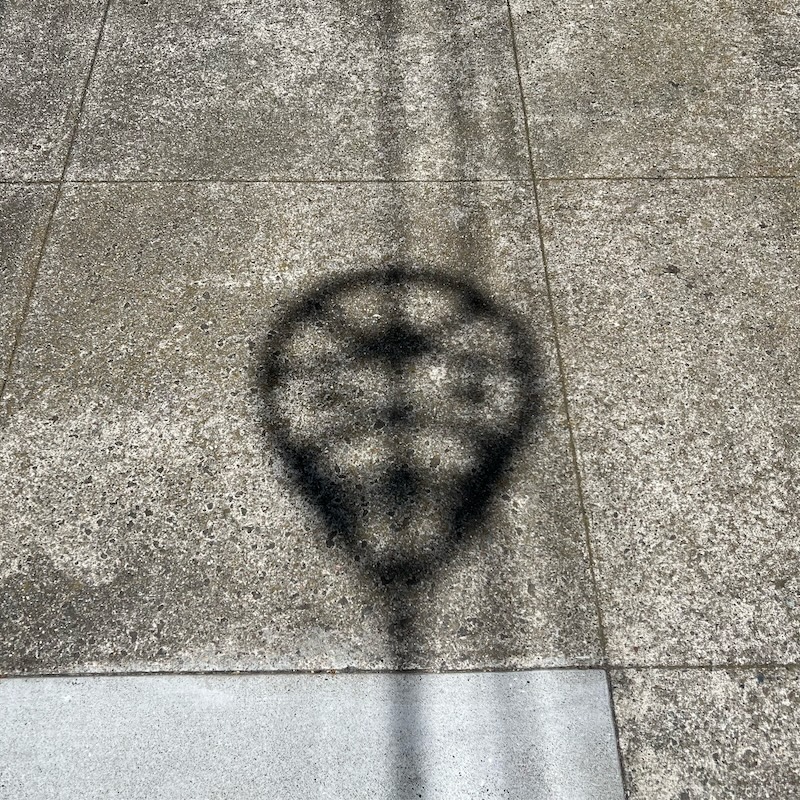
Municipal power line squirrel deterrent shadow skull
Municipal power line squirrel deterrent shadow skull
I do this manually at the end of each week: collating (and sometimes lightly editing) most of the recent little comments I’ve made on social media, which I think of as my public scratch pad. Some end up on Disquiet.com earlier, sometimes in expanded form. These days I mostly hang out on Mastodon (at post.lurk.org/@disquiet), and I’m also trying out a few others. I take weekends and evenings off social media.
▰ Multiple devices in the house ring out, slightly out of sync, all pinged semi-but-not-quite-simultaneously by an ongoing sequence of text messages — the same alerts on multiple accounts associated with multiple gadgets. It’s a wind chime for which the breeze is conversation.
▰ Me in guitar class: I’m pretty solid on the chords and the voicings until the start of the [whatever section of the sheet music] and then I look ahead and it’s like reality splinters entirely
▰ A blog without an RSS feed is like a … ?
▰ I took me a few months, a year or so ago, to train myself to write in ALL CAPS (for clarity). It has taken less time to train myself to hold the guitar pick with two fingers instead of three (for utility of my pinky, ring, and middle — an arpeggio’s version of clarity), but I’m not quite there yet.
▰ When I first started doing interviews as a music critic, I found the best examples of how to express conversation with just text involved simply studying how playwrights did it. I mostly read David Mamet and Dennis Potter at the time.
▰ I’ve had odd browser issues. This one is new. I turned on my MacBook. Safari had lots of tabs open in two different windows. I thought I’d gone overboard with tabs yesterday, then realized the windows were duplicates. I shut a set down, shut Safari down, reloaded — and now all the tabs are gone. :(
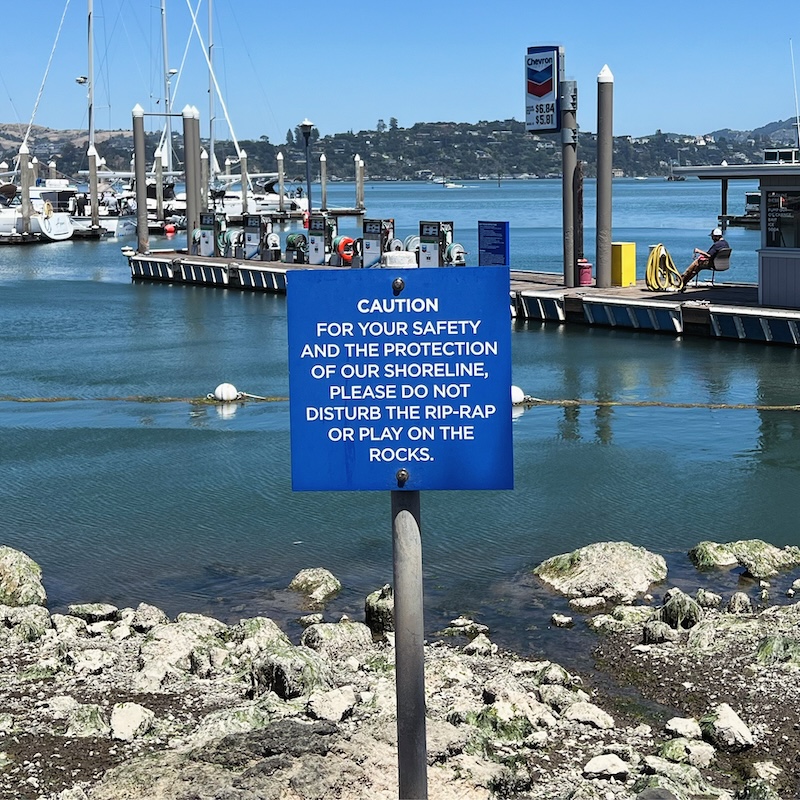
▰ I had to look up “rip-rap.”
▰ I finished reading three books this week: a novel and two graphic novels. The novel (my 14th this year) was Beyond the Hallowed Sky by Ken MacLeod (after Warren Ellis recently noted the third in the series of which this is the first). I enjoyed it a lot and will be moving on pretty soon to its sequel, though right now I’m deep into Virginia Woolf’s Mrs. Dalloway, which I haven’t read since college (and I’m not sure I paid a lot of attention to it then). The graphic novels were: The Gull Yettin by Joe Kessler, who as always manages to be abstract and sentimental, messy and elegant, at the same time (also, it reminds me of Frank Santoro’s work, which I mean as a compliment), and Nejishiki, one of five volumes (thus far?) of Yoshiharu Tsuge’s manga published by Drawn & Quarterly. I’d only previously read The Swamp, from which this is a long, dark stretch away.
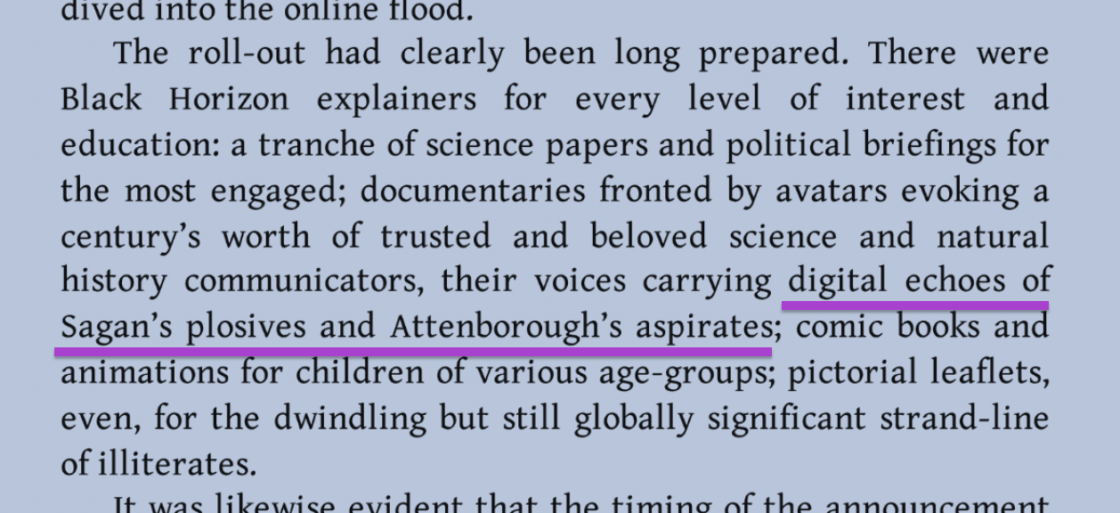
Yes, I’m enjoying Beyond the Hallowed Sky by Ken MacLeod. It’s the first book in his Lightspeed trilogy. And l love this reminder that included among the sounds of nature are the trademark sounds of the people who tell us about nature.
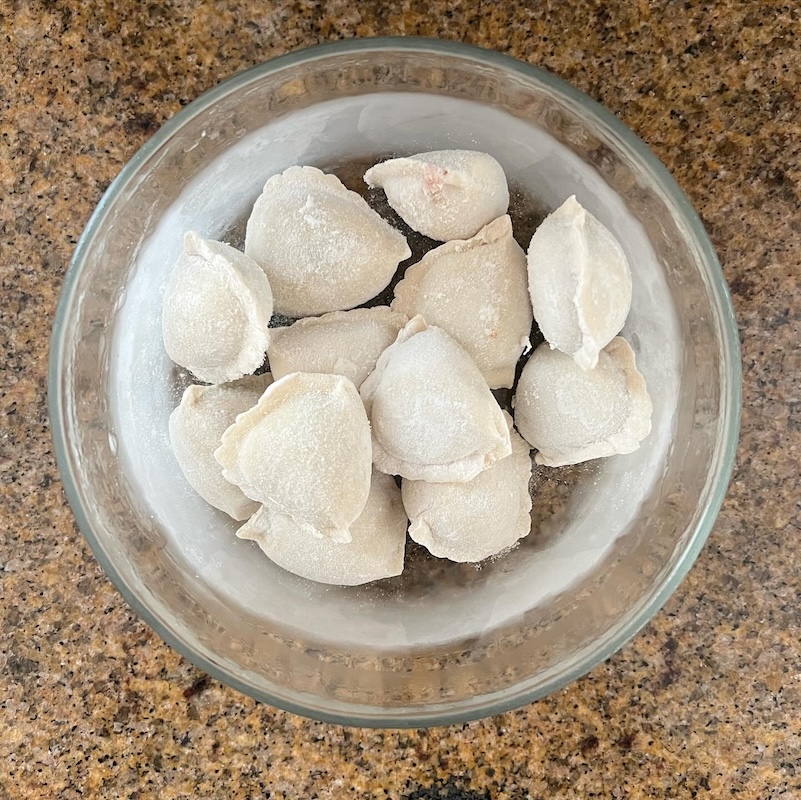
Happiness is when one of your favorite neighborhood dumpling shops (we have more than our fair share) also sells them frozen

Each Thursday in the Disquiet Junto music community, a new compositional challenge is set before the group’s members, who then have five days to record and upload a track in response to the project instructions.
Membership in the Junto is open: just join and participate. (A SoundCloud account is helpful but not required.) There’s no pressure to do every project. The Junto is weekly so that you know it’s there, every Thursday through Monday, when your time and interest align.
Tracks are added to the SoundCloud playlist for the duration of the project. Additional (non-SoundCloud) tracks also generally appear in the lllllll.co discussion thread.
These following instructions went to the group email list (via juntoletter.disquiet.com).
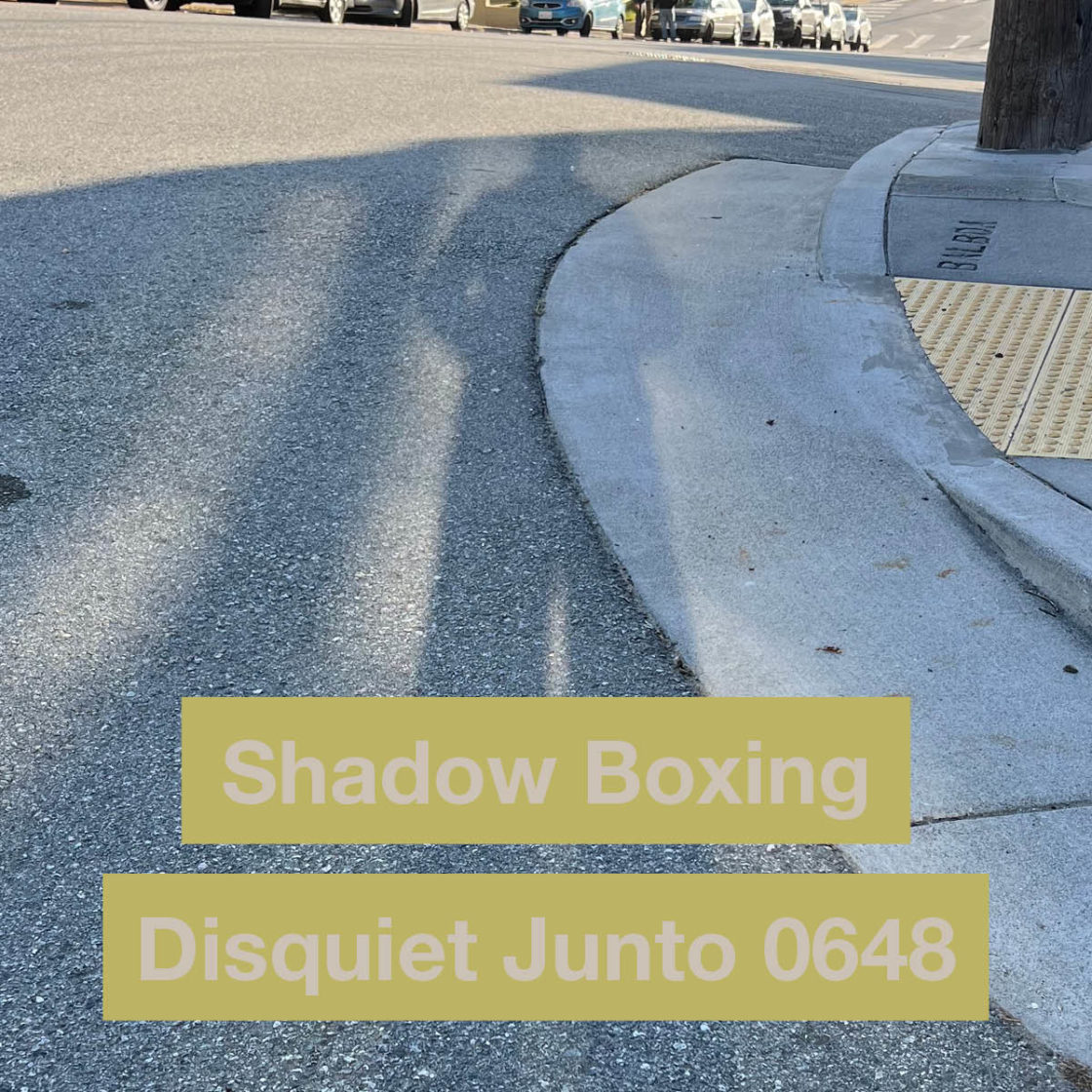
Disquiet Junto Project 0648: Shadow Boxing
The Assignment: Employ shadow boxing as a musical metaphor.
Step 1: Familiarize yourself with the concept of shadow boxing, in which one exercises as if there were an opponent.
Step 2: Record a piece of music that explores the idea of shadow boxing — of acting out an interaction, violent or otherwise, in which the opponent is imaginary.
Tasks Upon Completion:
Label: Include “disquiet0648” (no spaces/quotes) in the name of your track.
Upload: Post your track to a public account (SoundCloud preferred but by no means required). It’s best to focus on one track, but if you post more than one, clarify which is the “main” rendition.
Share: Post your track and a description/explanation at https://llllllll.co/t/disquiet-junto-project-0648-shadow-boxing/
Discuss: Listen to and comment on the other tracks.
Additional Details:
Length: The length is up to you. How many rounds can you go?
Deadline: Monday, June 3, 2024, 11:59pm (that is: just before midnight) wherever you are.
About: https://disquiet.com/junto/
Newsletter: https://juntoletter.disquiet.com/
License: It’s preferred (but not required) to set your track as downloadable and allowing for attributed remixing (i.e., an attribution Creative Commons license).
Please Include When Posting Your Track:
More on the 648th weekly Disquiet Junto project, Shadow Boxing — The Assignment: Employ shadow boxing as a musical metaphor — at https://disquiet.com/0648/