
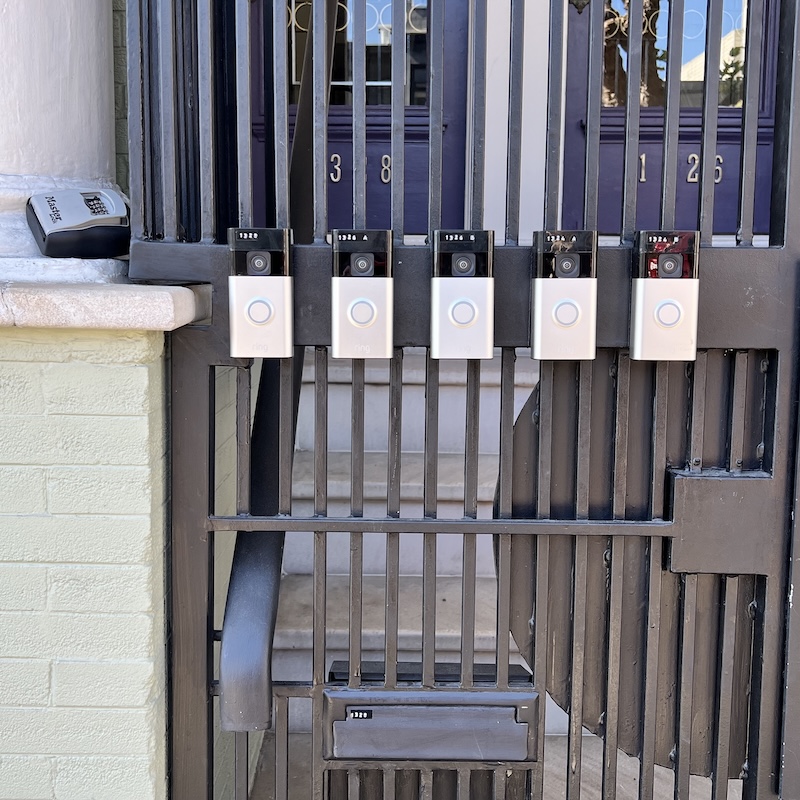
Another day, another doorbell, or set of doorbells. I like to think the Master Lock set-up on the left is for when the electric buttons fail. Bonus points for the one apartment that gets a mailbox.
Another day, another doorbell, or set of doorbells. I like to think the Master Lock set-up on the left is for when the electric buttons fail. Bonus points for the one apartment that gets a mailbox.
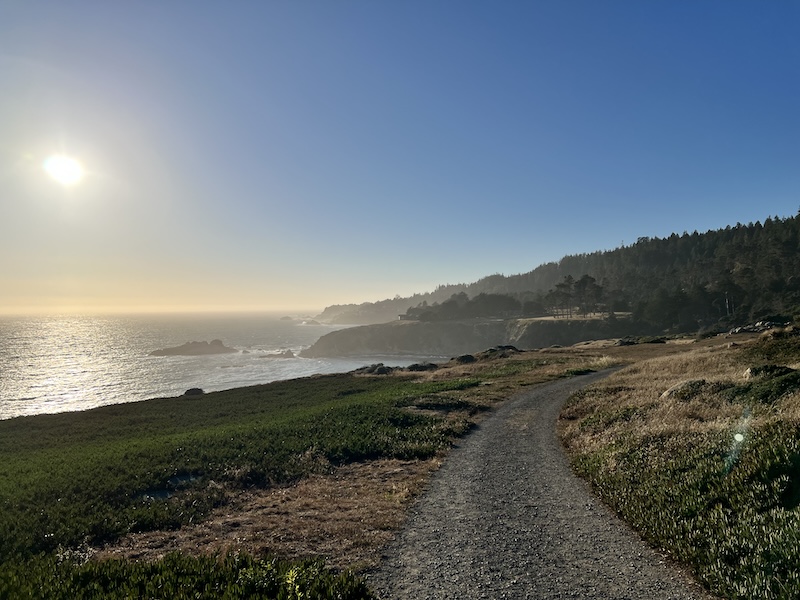
It was my birthday and I spent it up the coast. Back home now.
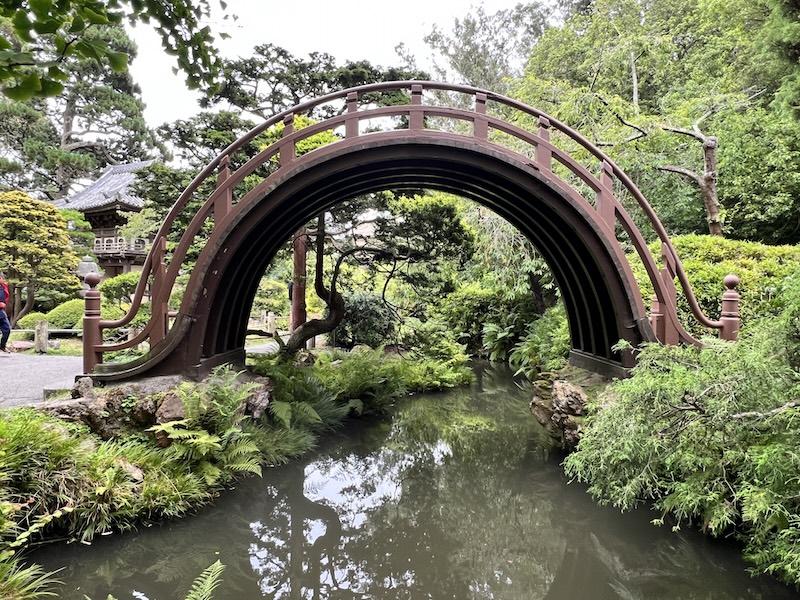
I love impossible architecture. I love absurdist architecture. I love when both are explored in a classical form, as with this bridge at the Japanese Tea Garden in Golden Gate Park in San Francisco.
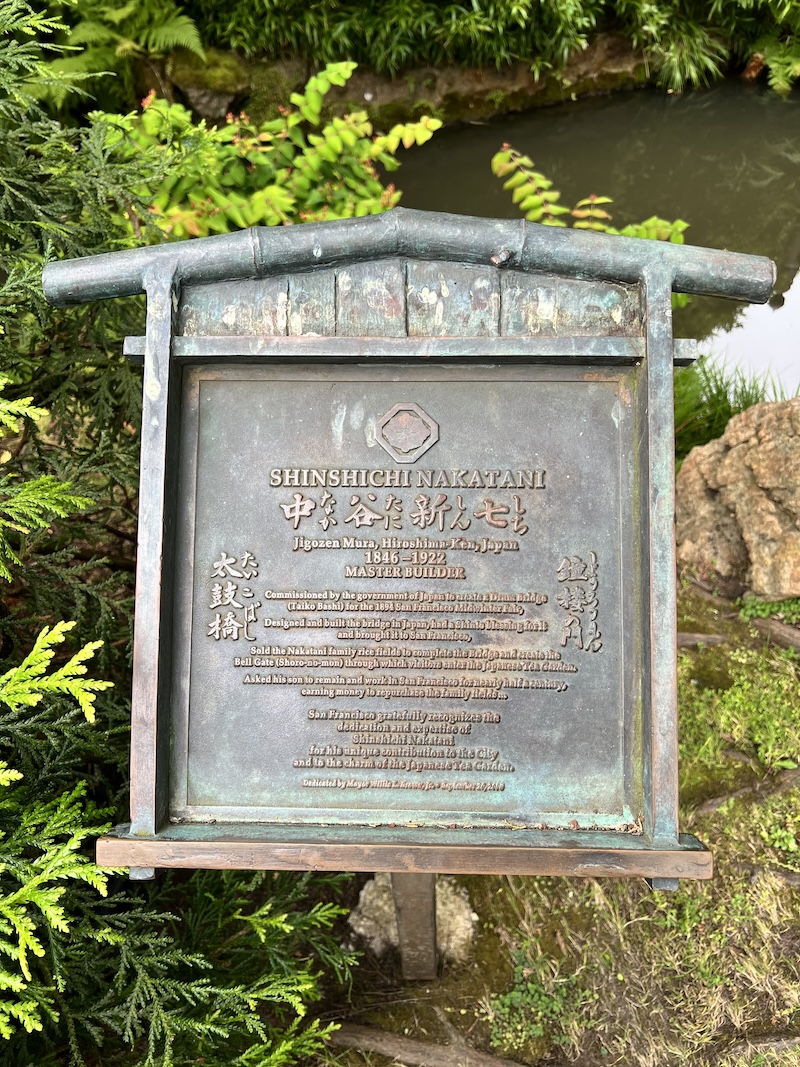
Also, the story behind it is sort of insane:
At the end of each week, I usually collate a lightly edited collection of recent comments I’ve made on social media, which I think of as my public scratch pad. I find knowing I’ll revisit my posts to be a positive and mellowing influence on my social media activity. I mostly hang out on Mastodon (at post.lurk.org/@disquiet), and I’m also trying out a few others. And I generally take weekends off social media.
▰ The problem isn’t the construction noise. The problem is that the construction noise sounds exactly like a giant dental drill.
▰ RSS 4 Life
▰ With great power … comes a lot of drop-down menus I get confused by and lose track of
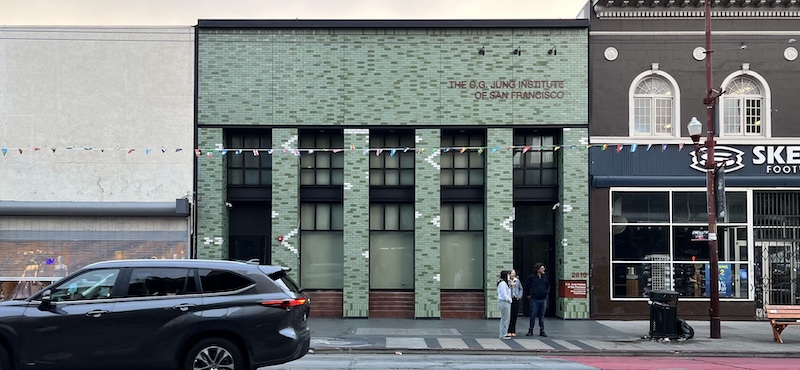
▰ I love the front of the C.G. Jung building on Mission in San Francisco, and not just because the tiles make me think of Conway’s Game of Life.
▰ Morning trio for street construction noise … — and who am I kidding? I can’t hear anything else.
▰ Synths!
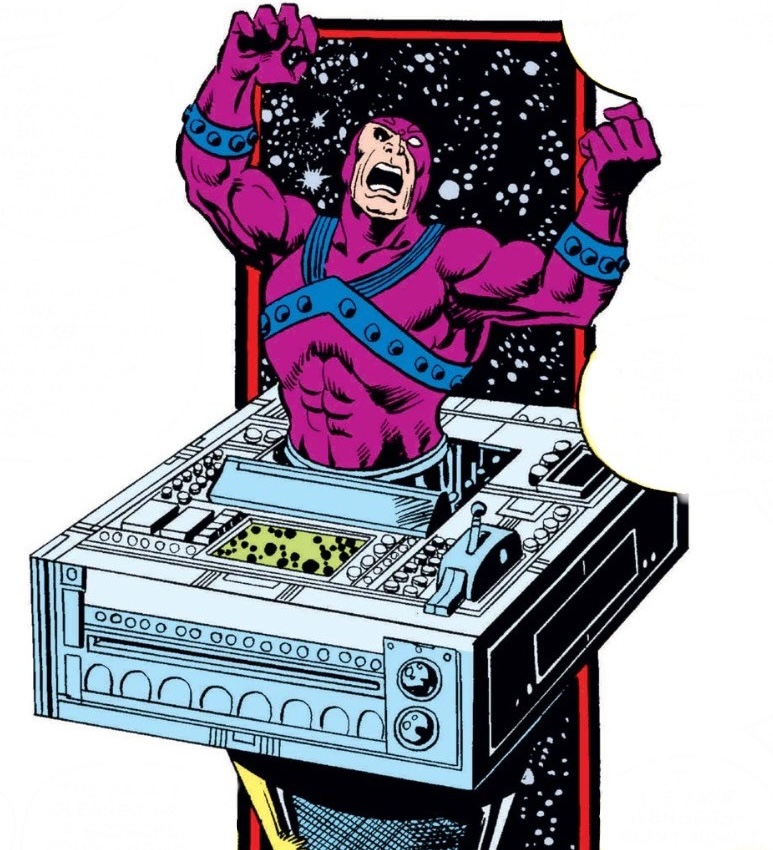
▰ Finished reading one novel and four graphic novels this week. The novel: Lightness by C. A. Higgins. The graphic novels — this is me getting back into the swing of things with my Marvel Unlimited subscription — were largely in the recent Ultimates line (Deniz Camp and Juan Frigeri’s Ultimates: Volume 1: Fix the World, Jonathan Hickman and Marco Checchetto’s Ultimate Spider-Man: Volume 1: Married with Children, and Peach Momoko’s Ultimate: X-Men: Fears and Hates), plus the start of Al Ewing and Martín Cóccolo’s run on Thor, Immortal Thor Vol. 1: All Weather Turns to Storm. And I’ve started trying out leagueofcomicgeeks.com as a way to track my comics reading. So far, so good.
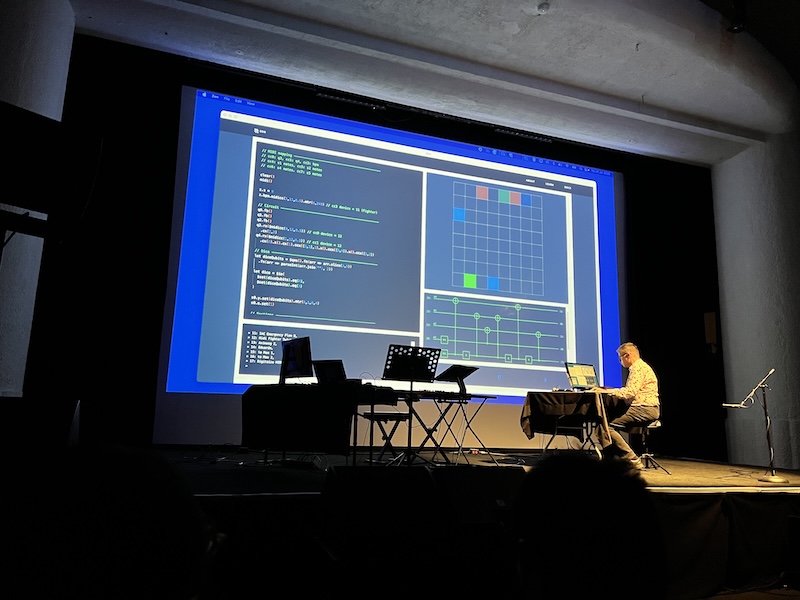
The field is still somewhat new to me, despite how much I’ve read and continue to read about quantum computing, but on Thursday night I attended a performance and presentation at Gray Area here in San Francisco by Eduardo Miranda. Miranda is a professor of computer music at the University of Plymouth, and he is currently visiting as a fellow at Stochastic Labs, across the bay in Berkeley. He’s the editor of several related books, including Quantum Computing in the Arts and Humanities (Springer), Quantum Computer Music (Springer) and Advances in Quantum Computer Music (World Scientific).
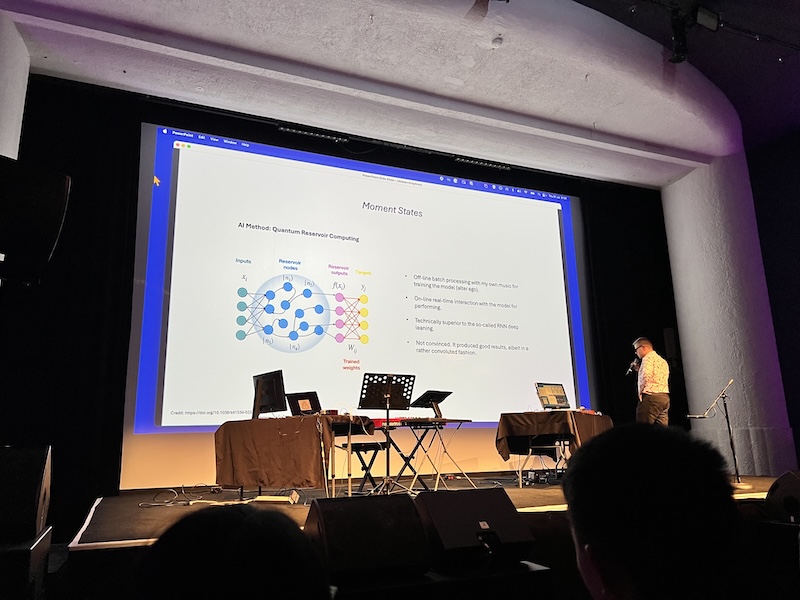
At Gray Area, Miranda performed three works and then gave a brief talk about the use of quantum computing in the production of music, and took questions from the audience. I’m still wrapping my head around it, but a key distinguishing characteristic seems to be the unique nature of superposition in quantum physics, a topic explored in particular in Miranda’s piece Heisenberg’s Hammer, shown up at the top of this post.
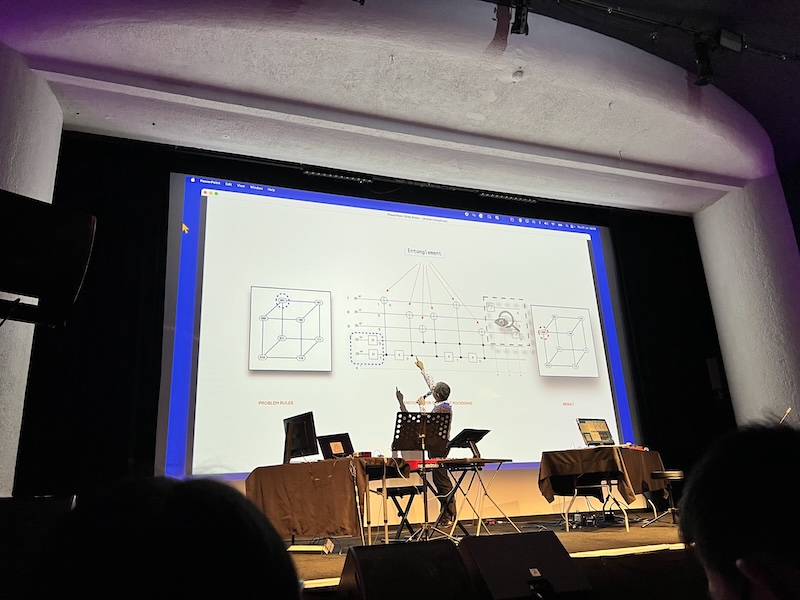
He’s been involved in artificial intelligence in music since the mid-1990s, but says of the current state of the technology, during the ongoing boom, “It makes it easy to make music, but not to be creative.” He also expressed a concern that “big data averages everything and creates mediocrity,” and explained he is currently exploring “small data” as an alternate path.
In Miranda’s own description, the state of quantum computing today is equivalent to the age of punch cards in the overall development of computers. If I followed him correctly, then he expressed uncertainty, so to speak, that this particular path will even pay compositional dividends, but he’s continuing to see how far he can go with it.