Scratch Pad: Houston, Scalzi, Doctorow, Welsh

From the past week

I do this manually at the end of each week: collating (and sometimes lightly editing) most of the recent little comments I’ve made on social media, which I think of as my public scratch pad. Some end up on Disquiet.com earlier, sometimes in expanded form. These days I mostly hang out on Mastodon (at post.lurk.org/@disquiet), and I’m also trying out a few others. I take weekends and evenings off social media. 

▰ I’m in the supermarket squeezing produce when Whitney Houston’s “How Will I Know” comes on, and I’m like: Yup.

▰ Me: I’ve bought enough (e)books for 2023.

Me 10 seconds later: there’s an $18 sale for 21 John Scalzi books on Humble Bundle for charity, and the new non-fiction book by Cory Doctorow (The Internet Con: How to Seize the Means of Computation) is $2 at Verso.

▰ The TV series Irvine Welsh’s Crime: in which the captioning does a fine job of deciphering the Scottish accents, but then you still need to look up plenty of words
Dirty Dozen

Urban scrawl

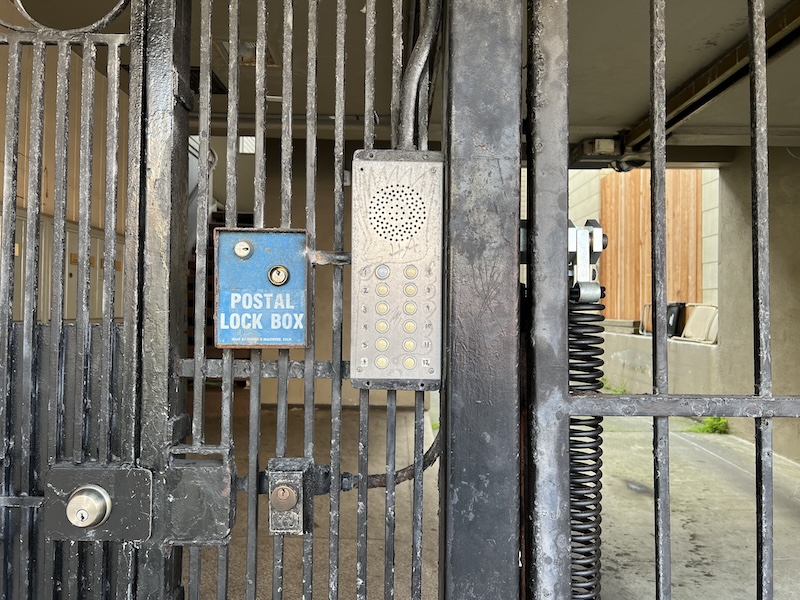
Something about the positioning of the lock box next to the exceedingly generic dozen-unit doorbell, in combination with the multiple segments of black wrought iron gating, makes this entryway look less like that of a residence and more like a penitentiary. Someone has tried to lend some levity, but it’s a sloppy bid, muted by its surroundings. I’m trying to decide whether that Godzilla-spine outline drawn around the intercom speaker is supposed to look like Bart Simpson’s head, which the “HA” suggests.

KOs, BPMs, Dreams

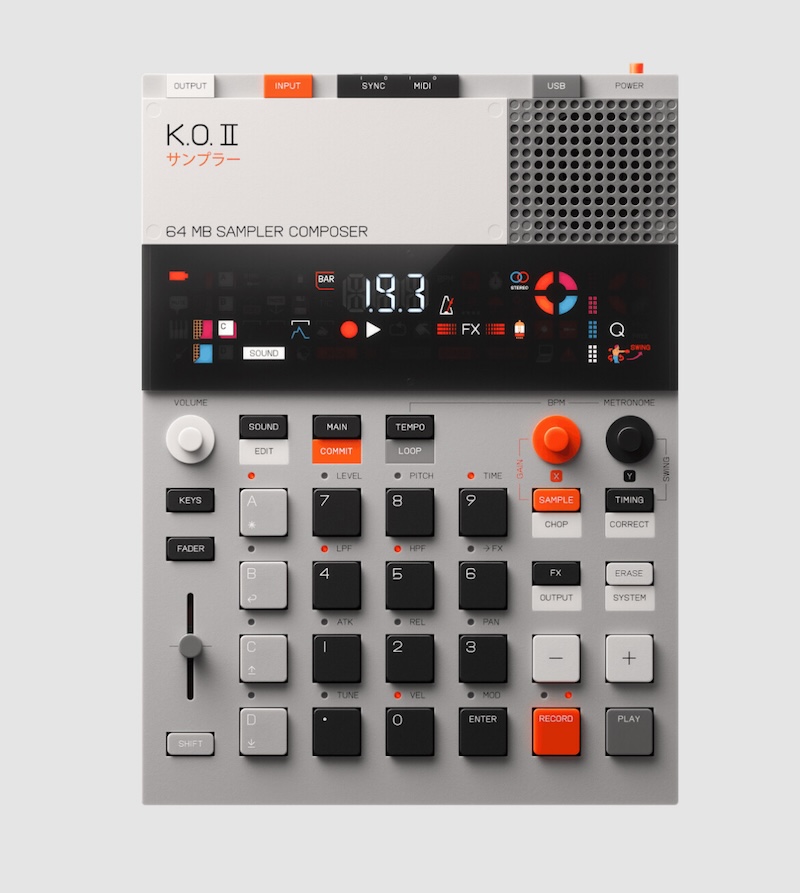
This Teenage Engineering KO II is pretty sweet. I have the OG KO and love it. As is generally the case with these multi-track samplers, I wonder why different tracks can’t run at independent BPMs. When I asked TE’s Jens Rudberg this, about the OP-1, he had an interesting answer that had to do with the virtual tape format underlying the system. But that does not appear to apply to the KO II. Not a hill I’ll die on, but one I sit on and ponder. I asked a question along these lines about tiny MIDI controllers, and then Tom Whitwell developed one. So … I can dream.

Sometimes when I ask this BPM question, someone asks why, and then I say that this long after Steve Reich’s phase music, and the rise of generative music and sound art and ambient music — well, that’s, in essence, my answer to the question.